Jaisalmer holds a special place in every traveler’s heart. Set in the vast Thar Desert of Rajasthan, this golden city is one of India’s most beloved destinations for both Indian and international visitors. It’s a vibrant blend of history, architecture, and deep-rooted hospitality. Here, relationships matter more than business, and community thrives on mutual care and understanding. Come, and feel the magic where love and tradition meet. Visiting Jaisalmer is always an unforgettable experience—from exploring majestic forts and havelis to wandering narrow lanes, taking a camel safari, or simply soaking in the desert charm. Built entirely from glowing golden sandstone, the city shines with ornate facades, short doors, winding alleys, and peaceful courtyards. It’s the kind of place where every wall whispers a story—an architect’s dream and a photographer’s paradise.
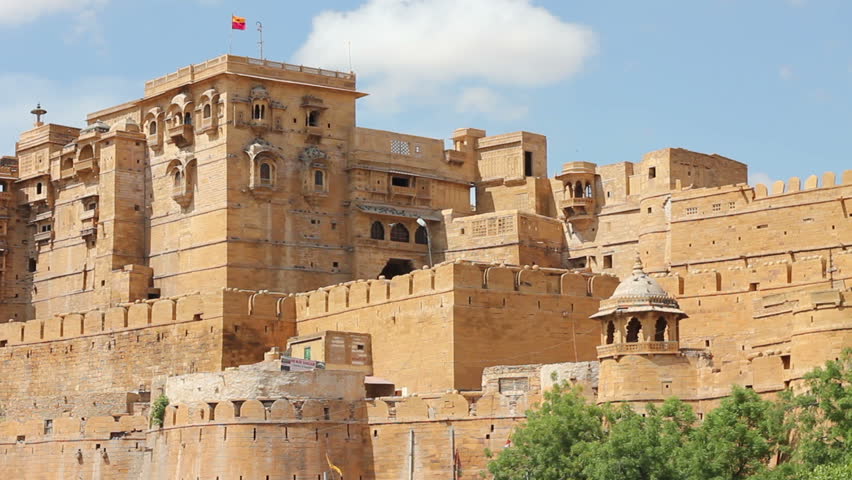
We call it Sonar Quila—the Golden Fort—because it rises straight from the sands, blending seamlessly with the desert’s warm golden tones. As the sun sets, it bathes the fort in a magical glow, wrapping it in a mystique you can feel in the air. Crafted by local artisans in the timeless royal style, the fort is not just a monument—it’s a living, breathing symbol of Jaisalmer’s regal soul.
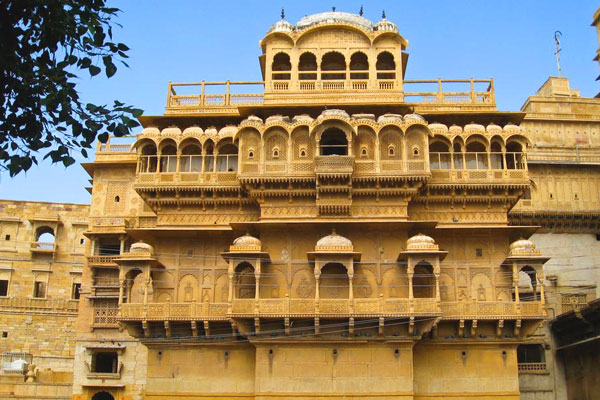
Inside the fort, Sarvotam Vilas, Rang Mahal, Moti Mahal, and Sheesh Mahal all hold deep artistic and cultural value. These regal spaces tell stories in stone and mirror. A separate palace—Rani Niwas—was specially built for the queens, reflecting grace and privacy. Today, a large part of the palace serves as a museum, offering fascinating insights into the legacy and lifestyle of the Bhati Rajputs.
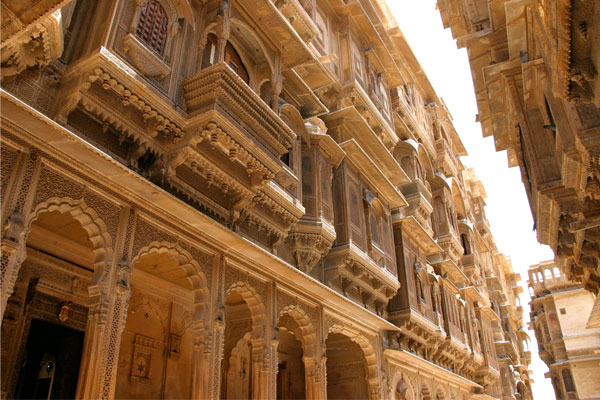
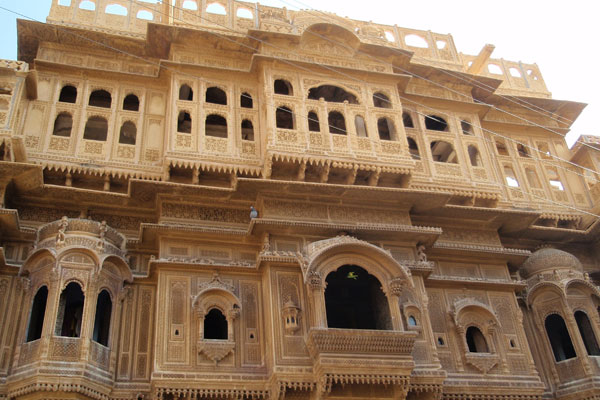
Patwon Ji ki Haveli is one of the most fascinating architectural gems in Jaisalmer—and certainly the most significant of all the havelis here. What makes it special is not just that it was the very first haveli built in the city, but also that it’s actually a cluster of five beautifully crafted smaller havelis, each with its own charm and story to tell.
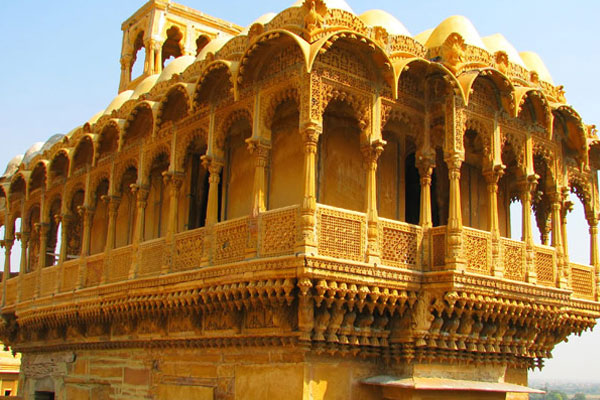
Salim Singh Ki Haveli, built in 1815 by the then Prime Minister Salim Singh, stands as a striking legacy from the time when Jaisalmer was the kingdom’s capital. What’s remarkable is that this grand haveli wasn’t built using cement or mortar—the stones are held together with strong iron rods. Its most captivating feature is its unique architecture, especially the 38 elegantly carved balconies that give it an unmistakable character.
Nathmal Ji Ki Haveli was built as the residence of Diwan Mohata Nathmal, who served as the Prime Minister of Jaisalmer. Commissioned by Maharawal Beri Sal, this architectural marvel was brought to life by two talented brothers—Hathi and Lulu—who crafted it with great care and creativity. Their combined artistry shaped this stunning 19th-century home that still reflects the elegance of its era.
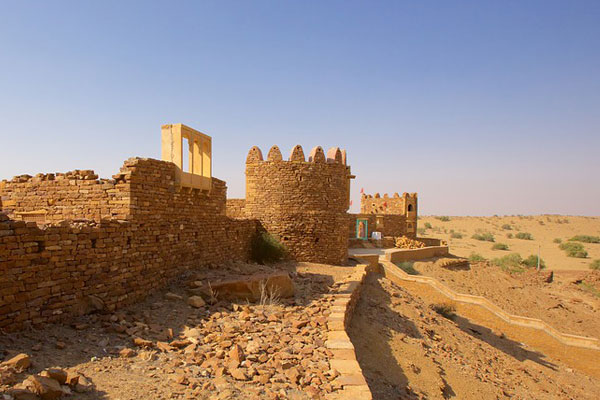
Khaba Fort stands quietly in the middle of a forgotten desert village—its ruins echoing with stories of the past. It’s a hauntingly beautiful place, rich in mystery, history, and faded grandeur. As you wander through its dusty lanes and crumbling homes, nearly untouched by modern life, Khaba Fort reveals a surreal charm that lingers long after your visit.
Gadsisar Lake is one of Jaisalmer’s most peaceful and beloved spots. Step away from the city’s bustle and head to the edge of town—you’ll find yourself beside this serene lake. While many think of it as a natural oasis, it’s actually a historic water reservoir, built around 1400 A.D. by the Maharaja of Jaisalmer as a vital water source and a timeless place of calm.
Locally known as Sunset Point, Vyas Chhatri offers one of the most breathtaking views of Jaisalmer at dusk. Perched on Sooli Dongri, this scenic spot is a favorite among travelers—and for good reason. If you’re looking for a sweeping, bird’s-eye view of the Golden City and its surroundings, this peaceful, photogenic perch is absolutely worth the visit.
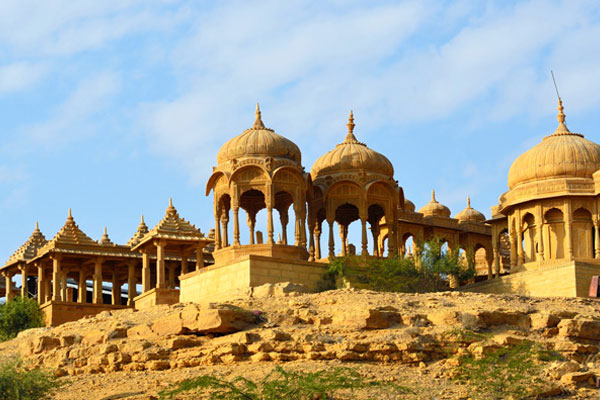
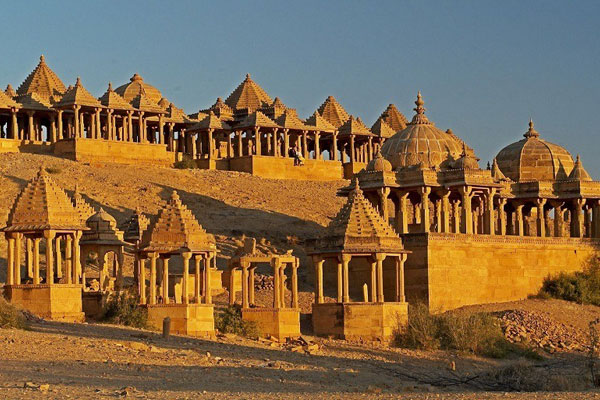
Bada Bagh, meaning “Big Garden,” sits peacefully along the Ramgarh road. Commissioned in the early 16th century by Maharawal Jait Singh and later completed by his son Lunakaran, the site beautifully blends history and nature. Here, you’ll find three highlights to explore—a serene garden, a water tank, and a historic dam. Nearby, the striking Govardhan Stambh pillar adds to the charm of this timeless landscape.
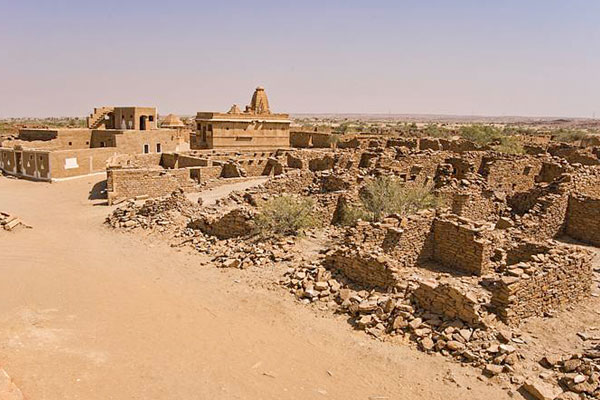
Kuldhara is an abandoned village nestled in the Jaisalmer district of Rajasthan. Believed to have been established in the 13th century, it was once a thriving settlement of the Paliwal Brahmins. By the early 1800s, the entire village was mysteriously deserted—possibly due to a declining water source. Today, Kuldhara stands frozen in time, wrapped in quiet legend and intrigue.
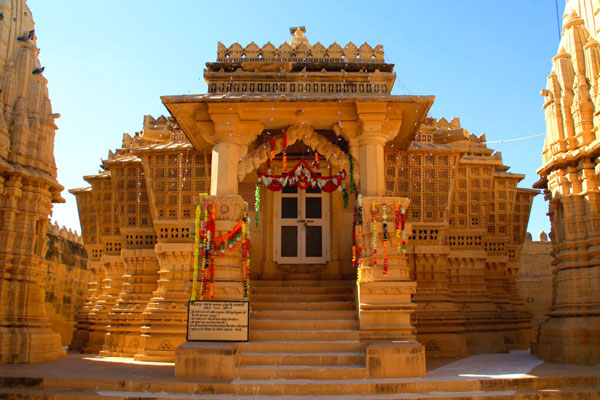
Lodurva was once the proud capital of the Bhatti Rajputs—a thriving city before they moved their seat to Jaisalmer. Though much of its past grandeur has faded, Lodurva remains a captivating destination. Visitors are drawn here by the beautiful ruins of ancient Jain temples, where delicate stonework and spiritual echoes still speak of a glorious past.
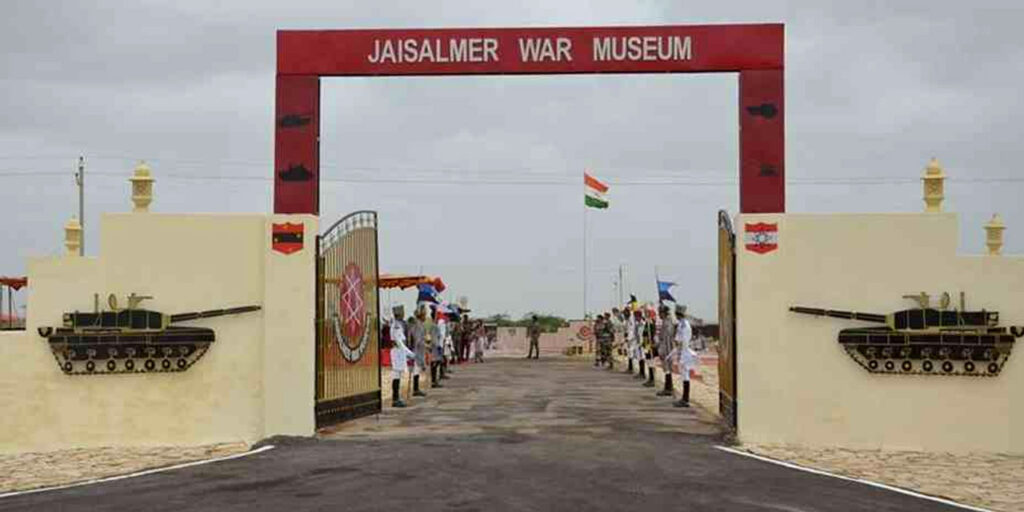
The Battle of Longewala (4–7 December 1971) was one of the first major engagements in the western sector… Longewala War Museum is a heritage museum in Jaisalmer in Rajasthan.
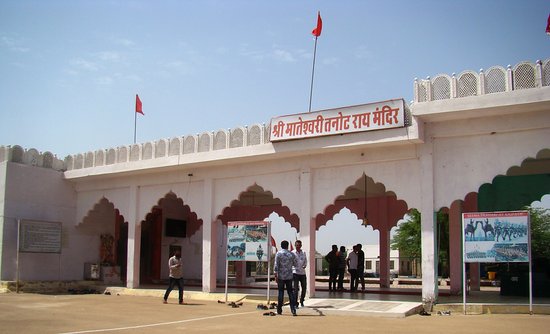
Tanot Mata Temple, located in the quiet village of Tanot in Jaisalmer district, is a must-visit for anyone exploring the Thar Desert. Surrounded by age-old legends, the temple holds a powerful aura of sacred energy and purity that leaves visitors both curious and deeply moved. Its stories and spiritual presence make it a truly unforgettable stop in Rajasthan.
Stay with us at Hotel Rajmandir — a heritage hideaway in Jaisalmer with 6 charming rooms, rooftop dining, and timeless fort views you’ll fall in love with.
Quick Link
Hotel Raj MandirJaisalmer